
Friction stays are mainly divided into two major categories: those for casement windows(side hung) and those for awning windows(top hung). The details are as follows:

What are the differences between the side hung friction stays and top hung friction stays?
Friction stays for casement windows
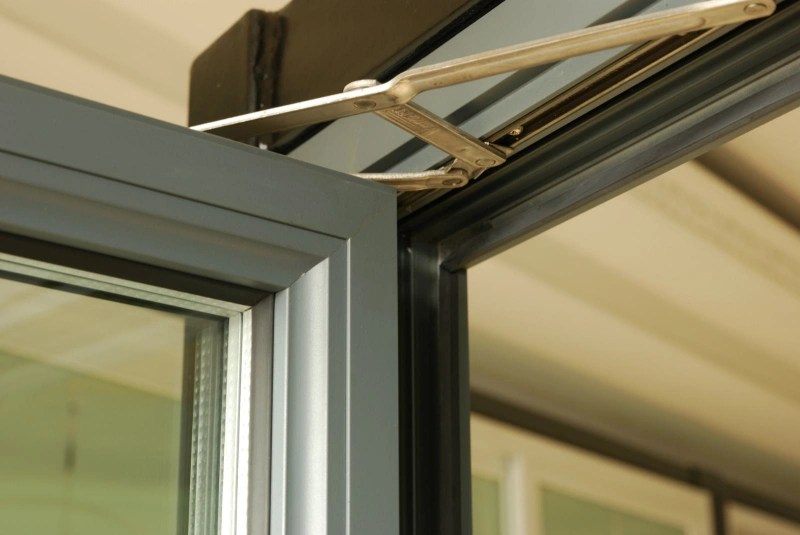
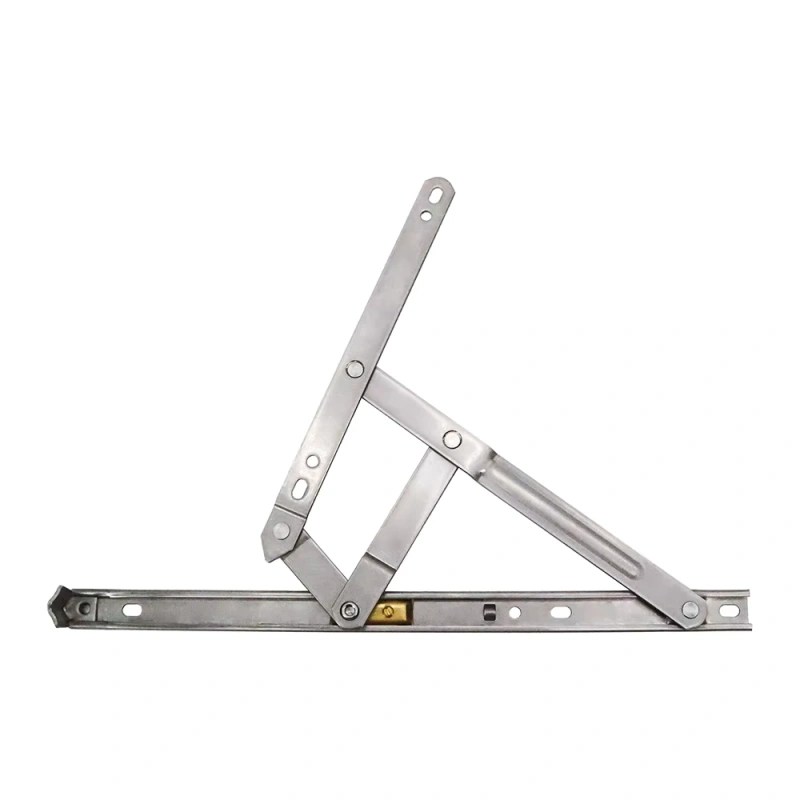
Also known as 4 bar hinge in the industry, they have the functions of bearing weight and limiting position. These Friction Stays are typically installed at the upper and lower ends of external casement windows, enabling the opening and closing of the window and supporting the window sash. Their characteristic is that they allow the window sash to both rotate and move horizontally during the opening process. Moreover, they can provide a certain amount of friction, so they can be used independently without the need to be paired with a stay like hinges. Generally, casement windows require a relatively large opening angle, so a longer horizontal movement stroke of the Friction Stays is needed. Usually, the length of the Friction Stays should be about 1/2 – 2/3 of the window width.

Friction Stays for awning windows
These mainly serve the purpose of bearing weight. They are installed at both ends of the awning window to support the weight of the window sash. When the awning window reaches a certain size, due to its self – weight, it may need to be used in conjunction with a stay. Generally, awning windows do not require a large opening angle, and a horizontal movement stroke of about 1/2 of the window width for the Friction Stays is sufficient.


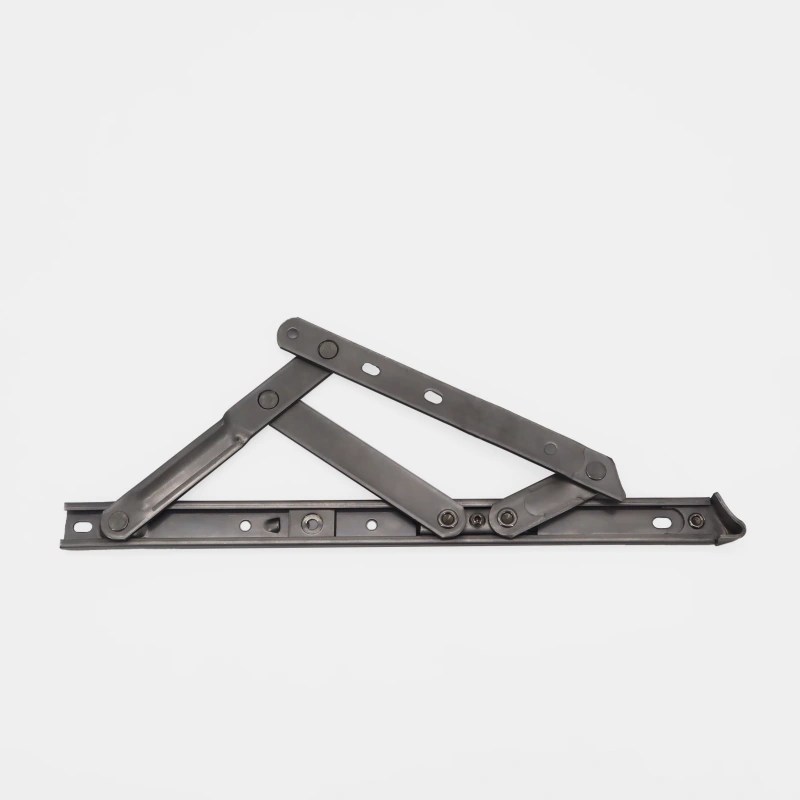
In addition, according to different materials, Friction Stays can be divided into stainless – steel Friction Stays, aluminum – alloy Friction Stays, etc. Among them, stainless – steel Friction Stays have good corrosion resistance and strength, making them suitable for various environments. Aluminum – alloy Friction Stays are lighter in weight, aesthetically pleasing, and have a certain degree of corrosion resistance, which are commonly used in some window and door systems that have requirements for weight and appearance.