
Hinges are installed on the rotating side edges of doors and window sashes, while friction stays are installed on the upper and lower sides (for casement windows) or the left and right sides (for awning windows) of the window sashes. The friction stays play a significant role in the fixing process after the window is opened and closed.


A Comparison of the Functions of Hinges and Friction Stays
When the doors and windows are opened, the functions of hinges and friction stays are similar. When using hinges, the window sash only rotates; when using friction stays, the window sash rotates and moves horizontally. In many cases, hinges and friction stays can be used as substitutes for each other. However, in some special scenarios, hinges must be used. For example, friction stays are commonly used for casement tilt-turn windows or awning windows; for extremely large casement doors and windows, friction stays often cannot meet the force-bearing requirements, and multiple hinges are required to bear the force together.


Friction Stay
It should be noted that due to the differences in friction characteristics, when hinges are used for casement windows, they cannot provide friction like friction stays. Therefore, they often need to be used in conjunction with stays to prevent the window sash from being blown back and damaged when it is opened. Friction stays can provide a certain amount of friction and can be used independently. The difference between the friction stays used for casement windows and those used for awning windows lies in the length of the outer arms connected to the window frame. When the size of an awning window is relatively large, due to the factor of its own weight, it also needs to be used in conjunction with certain stays.
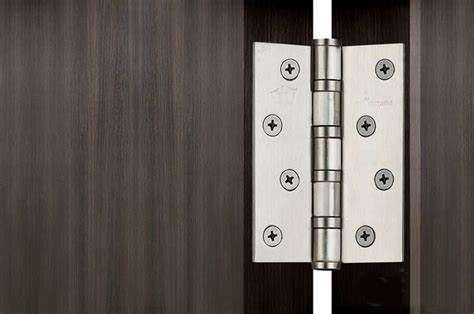
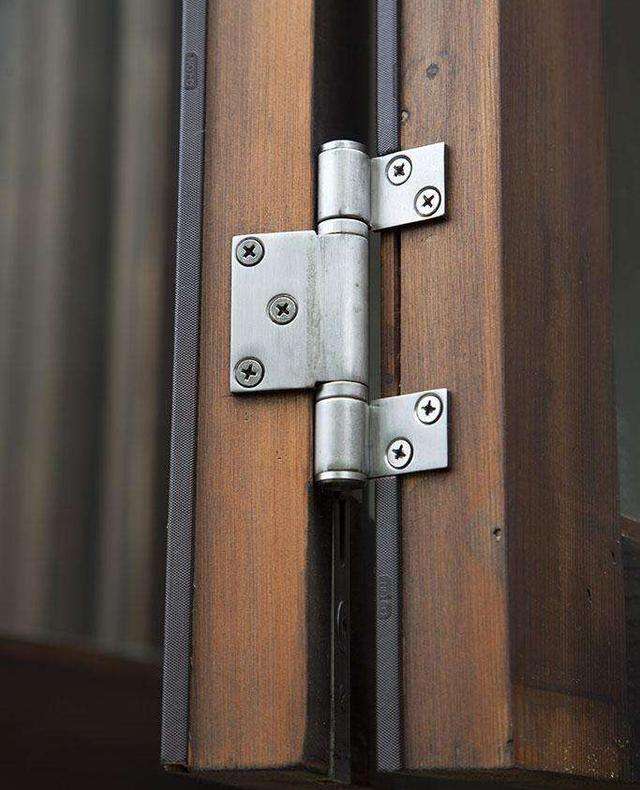
Window & Door Hinges